





Cities are expanding.
The old ways of building can't keep up.
Efficiency tweaks and offsets are no longer enough. If cities are to grow, the built environment itself must become regenerative.
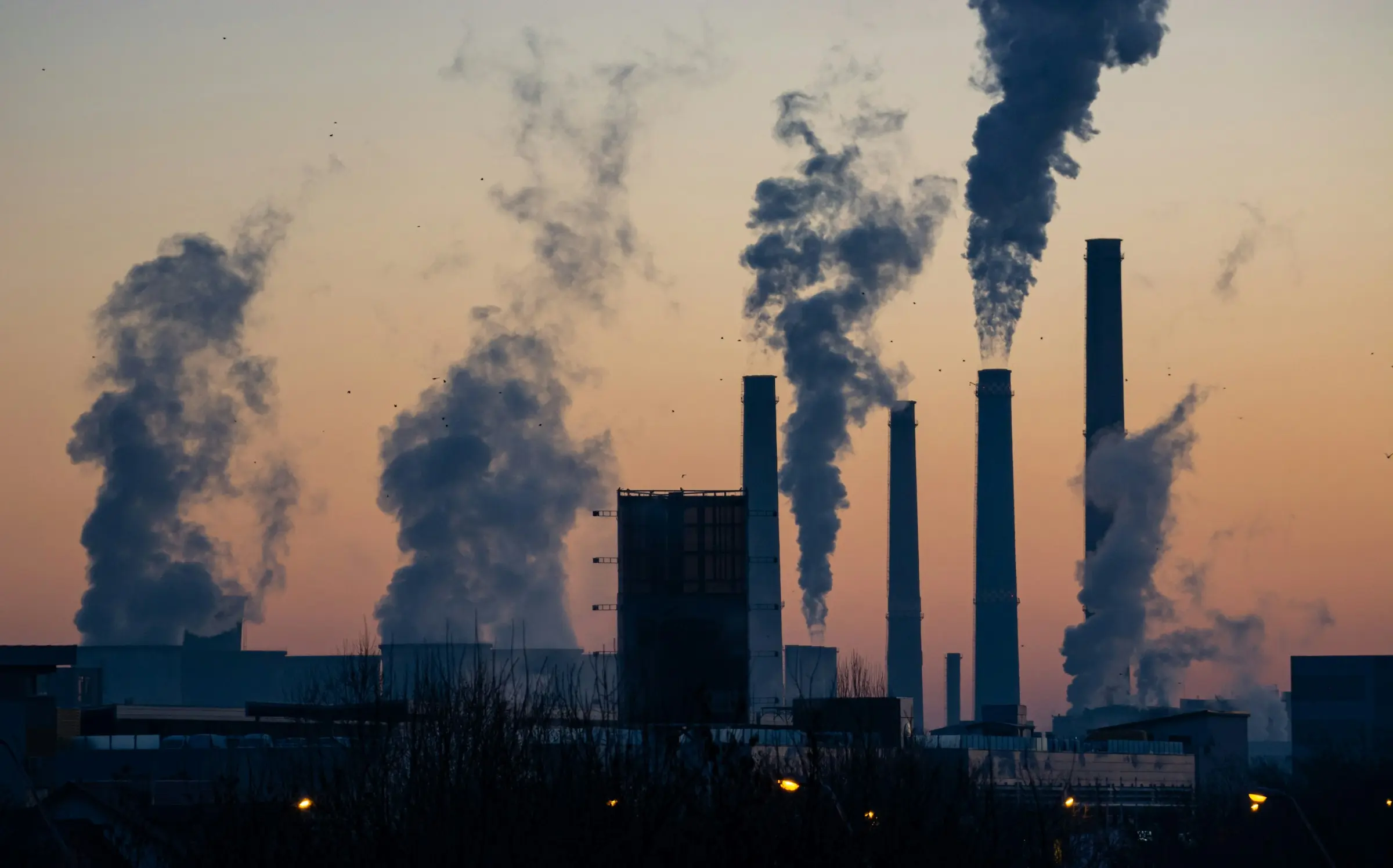
Carbon
Buildings are currently responsible for 39% of global energy-related carbon emissions:
- 28% from operational emissions
- 11% from materials and construction
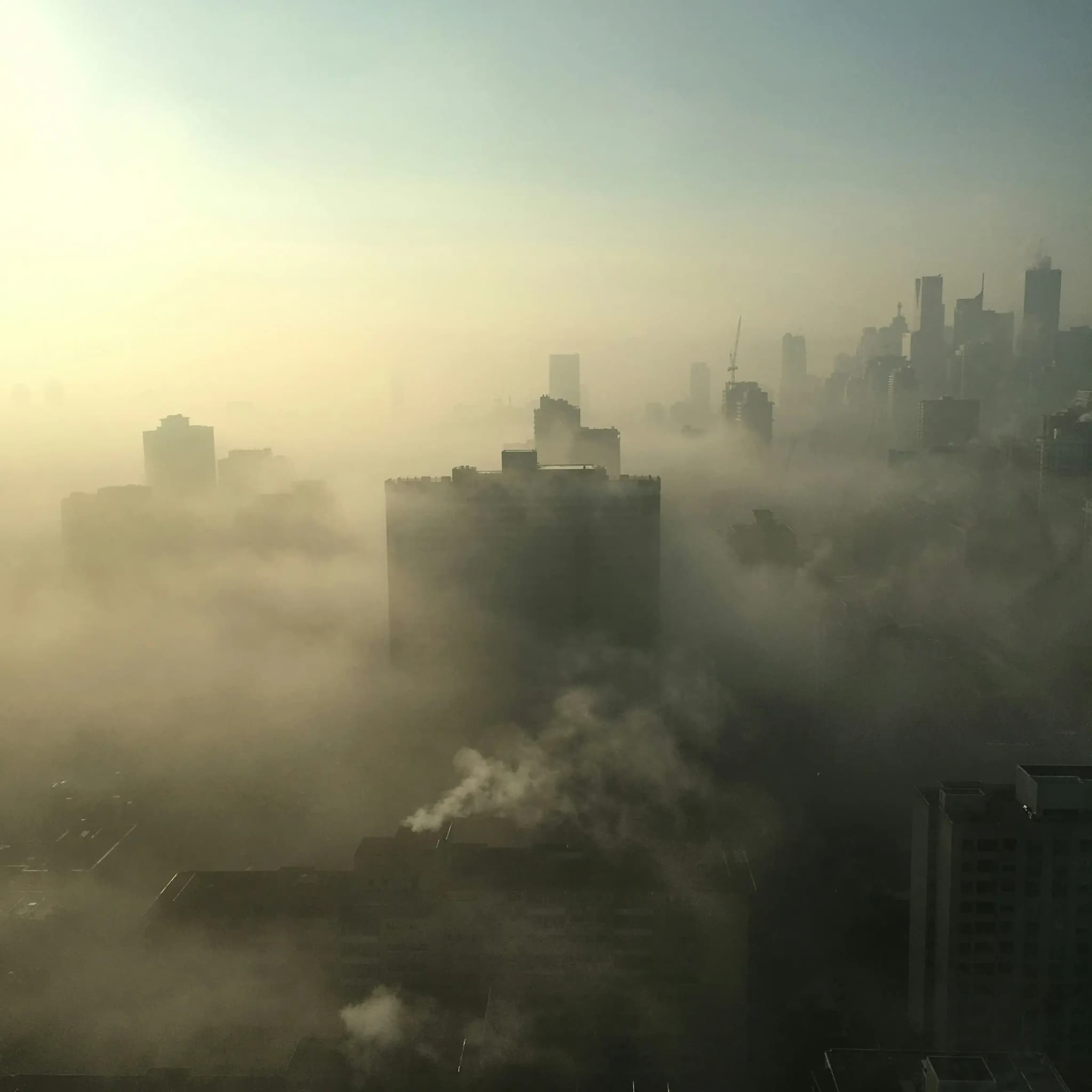
Air quality
Around 91% of the world's population lives in places where air quality levels exceed WHO limits.
Biodiversity
Urban growth and the ongoing densification of many cities around the globe challenge the existence of ecosystems.

Noise pollution
Chronic exposure to elevated noise levels is now recognised as a significant environmental stressor, impacting sleep, concentration, and long-term health in cities worldwide.
Wellness
As cities densify, access to everyday nature becomes limited — despite growing evidence of its importance to human health.
Storm water management
As climate change increases the frequency of intense storms, unmanaged runoff leads to flooding, water pollution, and strain on urban infrastructure.
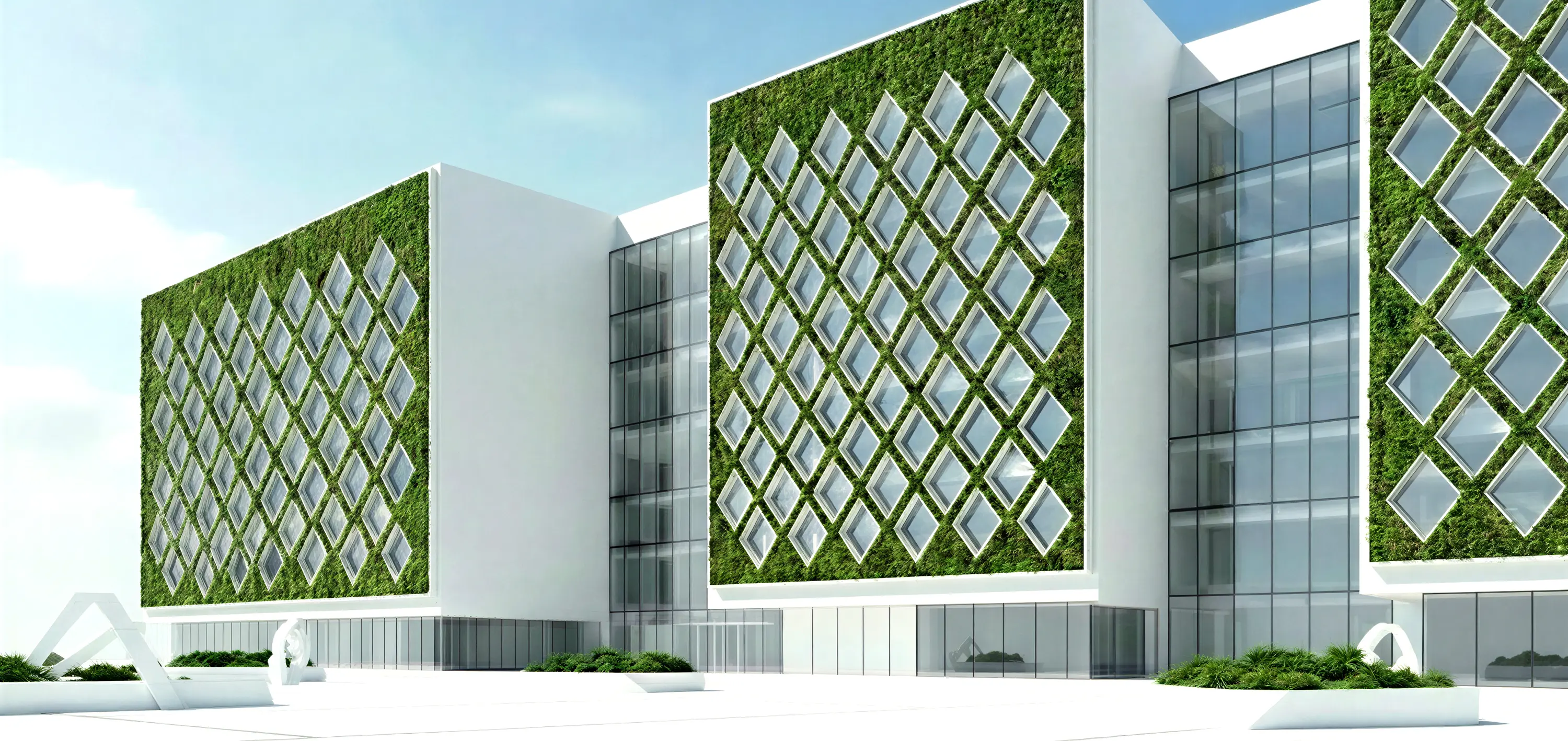
Alive Labs is reimagining the very skin of our cities.
What if the surfaces of our buildings did more than enclose space — supporting biodiversity, storing carbon and creating healthier, more resilient urban environments?
At Alive Labs, we're making that future practical, pioneering carbon-negative architectural surfaces that transform buildings into living, breathing infrastructure.
Terranite™: the foundation of Alive Systems
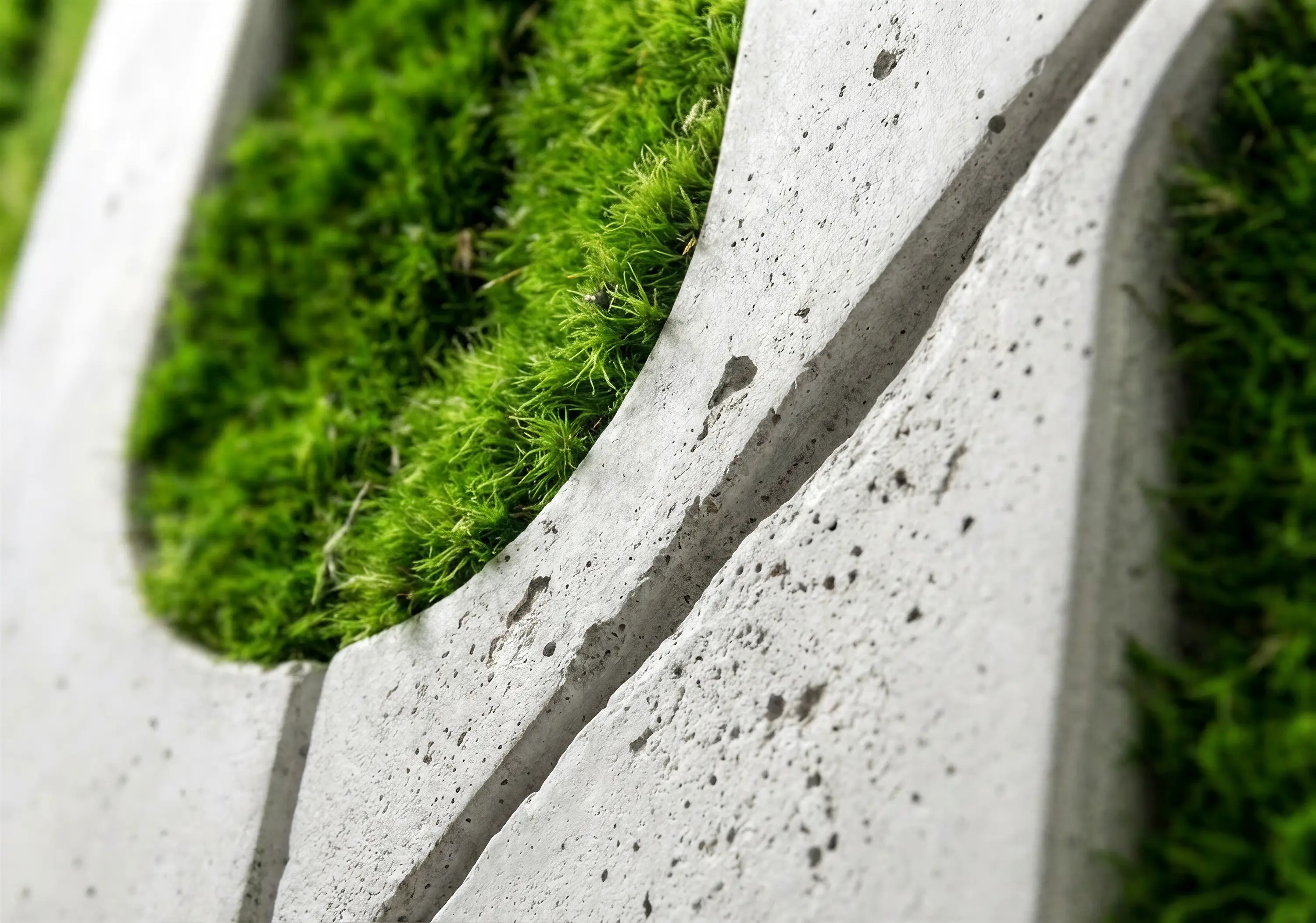
Terranite™ is our core innovation, developed in partnership with leading British universities — a low-carbon, cementitious material designed to support life as part of the built environment.
The material can be shaped and formed to meet a wide range of architectural and design requirements, integrating seamlessly into existing construction workflows.
Validated through Innovate UK-supported development and real-world deployment with DEFRA and DESNZ.
Sustainable Ventures
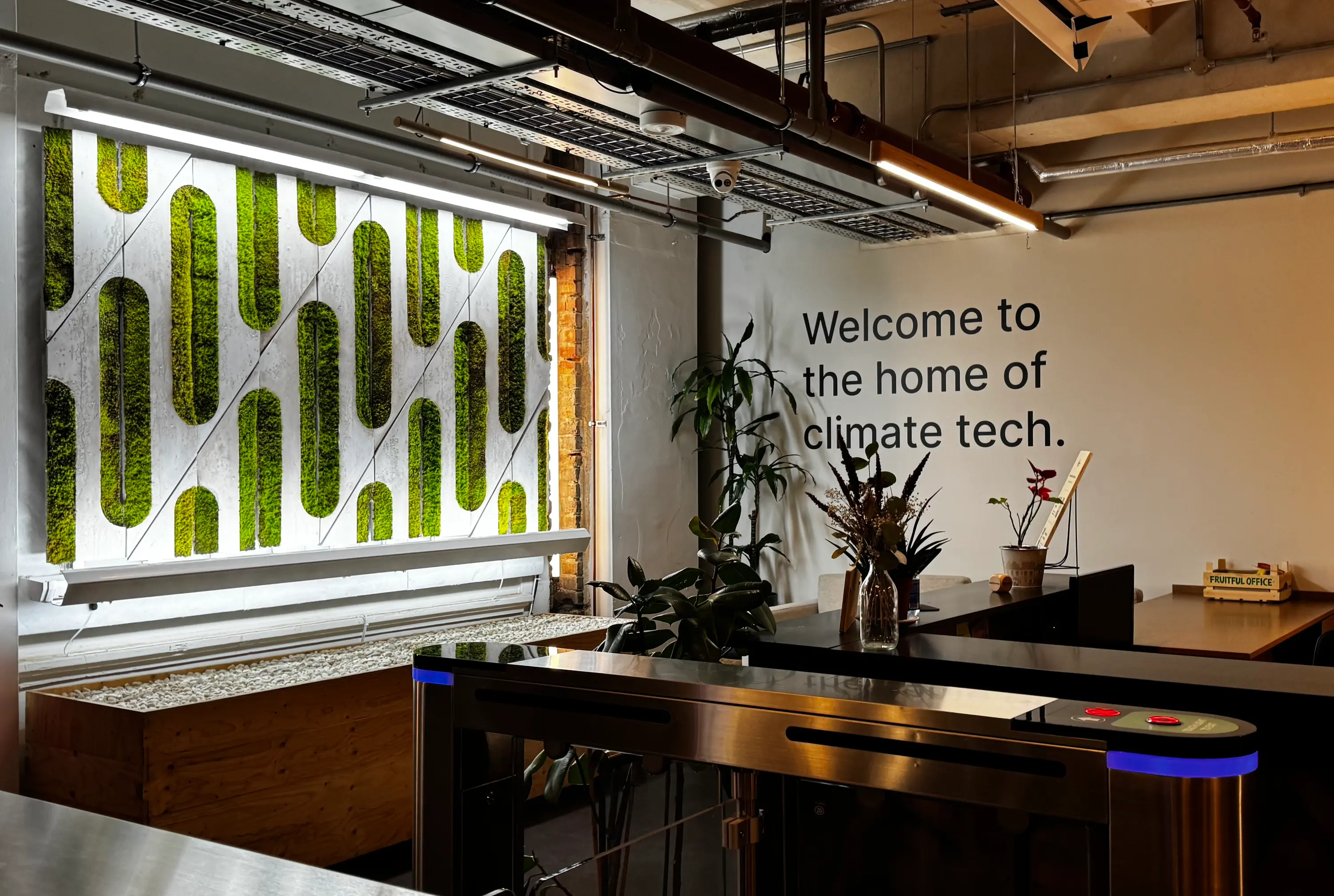
The County Hall installation has provided a long-term real-world testbed for the Alive System, helping inform successive improvements in performance.
Following the pilot, Sustainable Ventures has indicated its intention to proceed with a second Alive wall for its Manchester workspace.
What people are saying about us
“We believe the company is developing a unique technology with the potential to contribute to true environmental and energy transition for the building of new urban developments with its innovative green cladding solution.”
“Our confidence in Alive Cladding's potential for promoting sustainable urban development drives our interest in forming a commercial partnership.”
“It's a really cool concept with loads of legroom and different applications - internally and externally. Whatever your imagination can think of, I can see it working everywhere.”
















Carbon negative by design
Terranite™'s current design-stage LCA reports a cradle-to-gate footprint of −16.1 kgCO₂e/m².
At platform scale, Alive Labs has modelled a pathway to 10 MtCO₂e/year of annual mitigation by 2036 through the scaled deployment of Terranite™-enabled architectural surfaces.
Design-stage cradle-to-gate LCA for Terranite™'s current design.
Modelled annual mitigation pathway by 2036 through scaled deployment of Terranite™-enabled architectural surfaces.
Let's make cities breathe.
Grow with us